
Hitting Development
There's No One Way to Swing.
Every athlete moves differently.
Justin does not believe in forcing every hitter into identical positions. Instead, the goal is to understand how an individual athlete moves and determine what is helping or limiting performance.
The Framework
The Swing Framework
A simple model for understanding a complex movement — three phases, one continuous motion.
01
Gather
Create rhythm and a stable base to move from.
02
Load
Store energy and get into a position to attack.
03
Swing
Deliver the barrel on time, on plane, with intent.
What Justin Evaluates
A complete picture of the swing
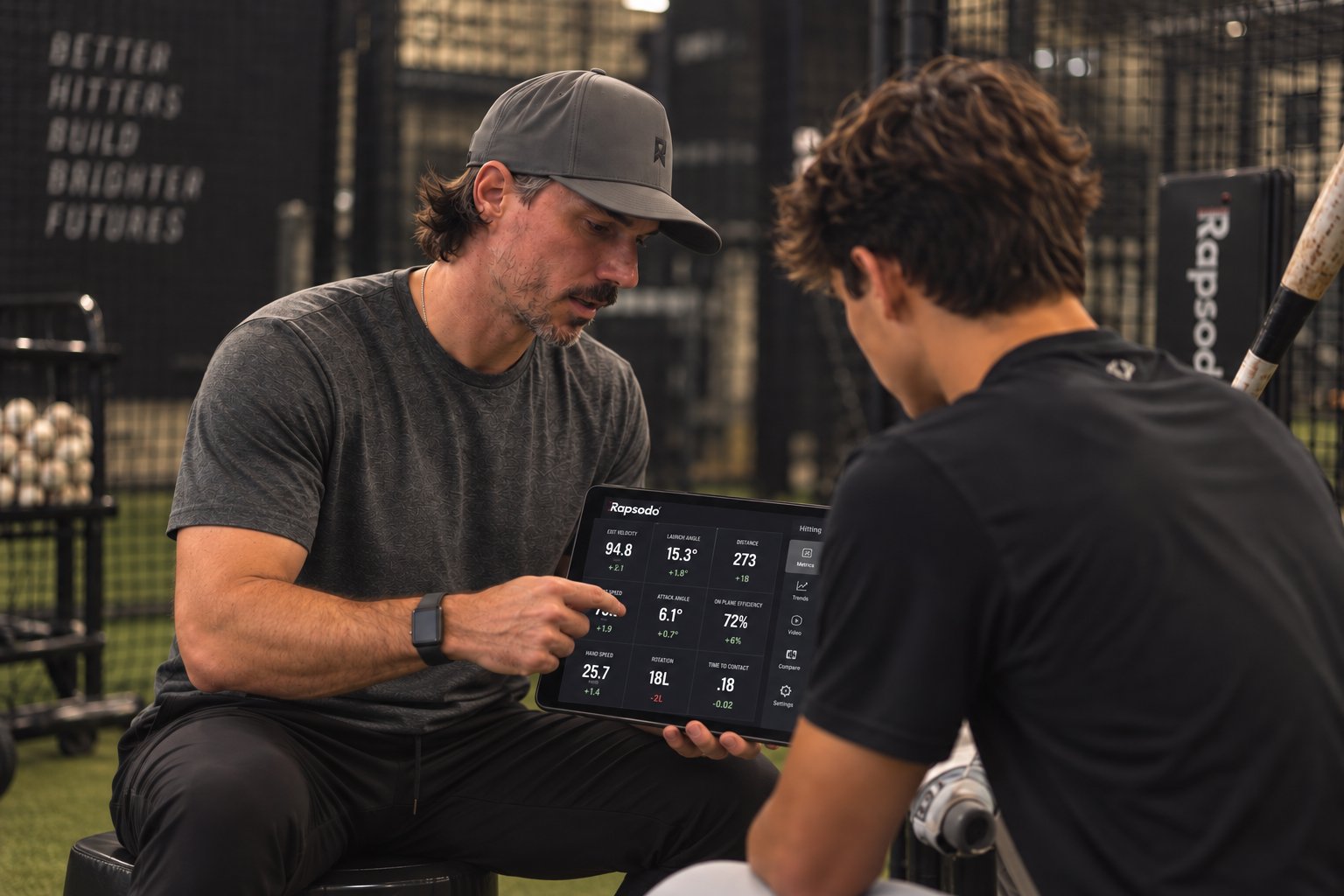
No single data point tells the whole story. Justin looks across movement, timing, and results before deciding what a hitter actually needs.
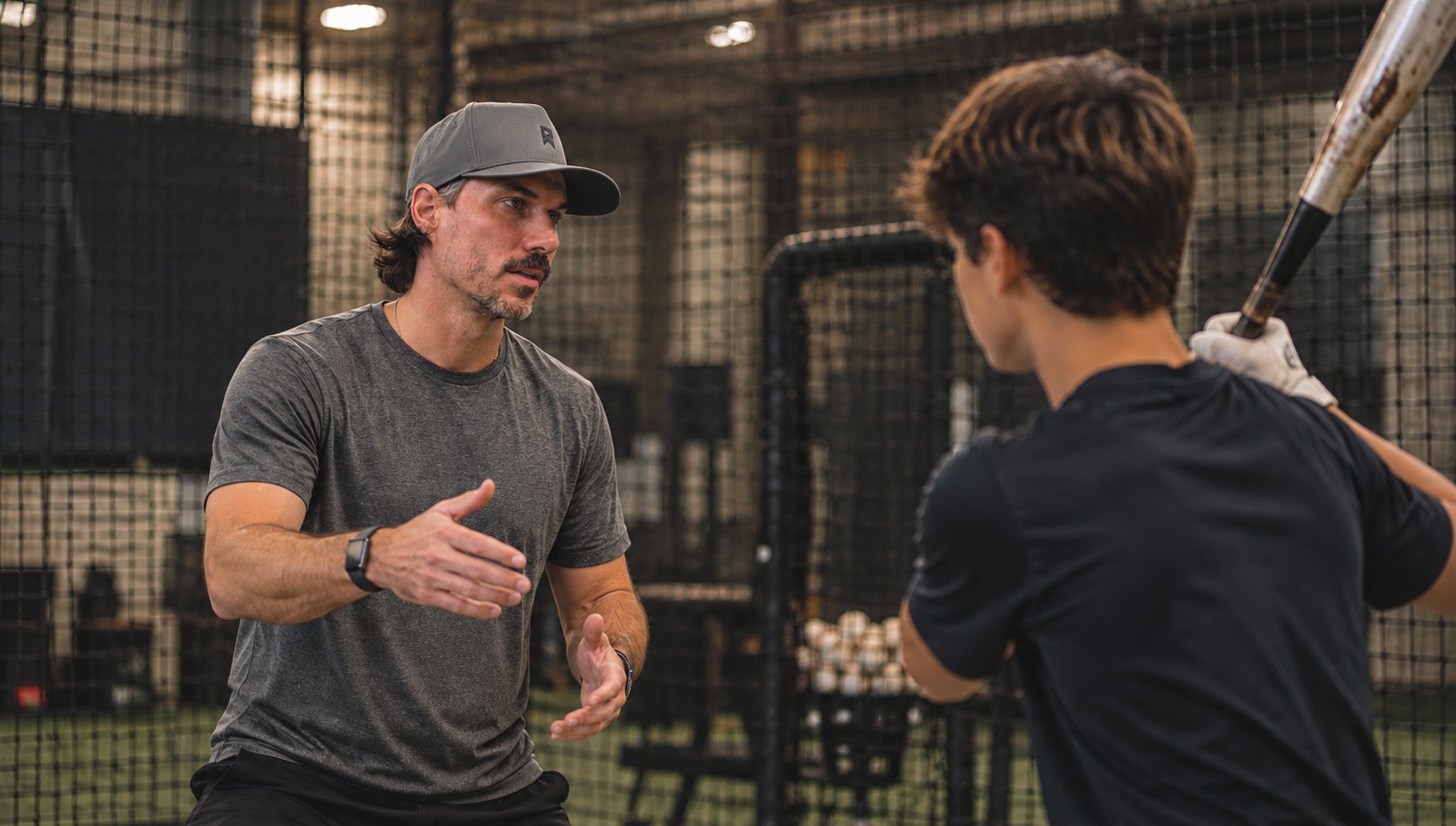
Every adjustment starts with listening — then the video and the data.

Objective data confirms — or challenges — what the eye sees.
Practice Design
Practice Needs a Purpose.
Every hitting session should have a clear intention behind it.
Swing Design
Slow things down.
Understand the movement.
Build the skill.
Approach
Develop timing.
Train swing decisions.
Understand how to attack pitching.
Competition
Increase difficulty.
Introduce variability.
Force the hitter to solve problems.
Good hitters need all three.
Practice in difficult environments. Demand precision with path, timing, and ball flight.
The more prepared you are, the more confident you can become when the game starts.
Ready to Get Better?
Tell Justin where you are, where you want to go, and what you believe is holding you back.